Where to Buy Fresh Blue Crabs in Southern Maryland (2026 Guide)
Updated April 2026 • 8 min read • Calvert, St. Mary's & Charles Counties
There's a reason people drive hours out of their way to buy blue crabs in Southern Maryland. The Chesapeake Bay—fed by the Patuxent River, the Potomac, and dozens of smaller tributaries—produces some of the finest blue crabs in the world. Watermen have been harvesting these crabs from these waters for generations, and the tradition is alive and well in Calvert, St. Mary's, and Charles Counties.
But knowing where to buy fresh blue crabs in Southern Maryland can be tricky. Crab season typically runs from April through November, with peak season in July and August. Availability changes week to week depending on weather, tides, and harvest conditions. And not every seller is created equal—quality, freshness, and price vary significantly.
This guide cuts through the noise. Whether you're a local looking for your go-to spot or a visitor planning your first Southern Maryland crab feast, you'll find everything you need right here.
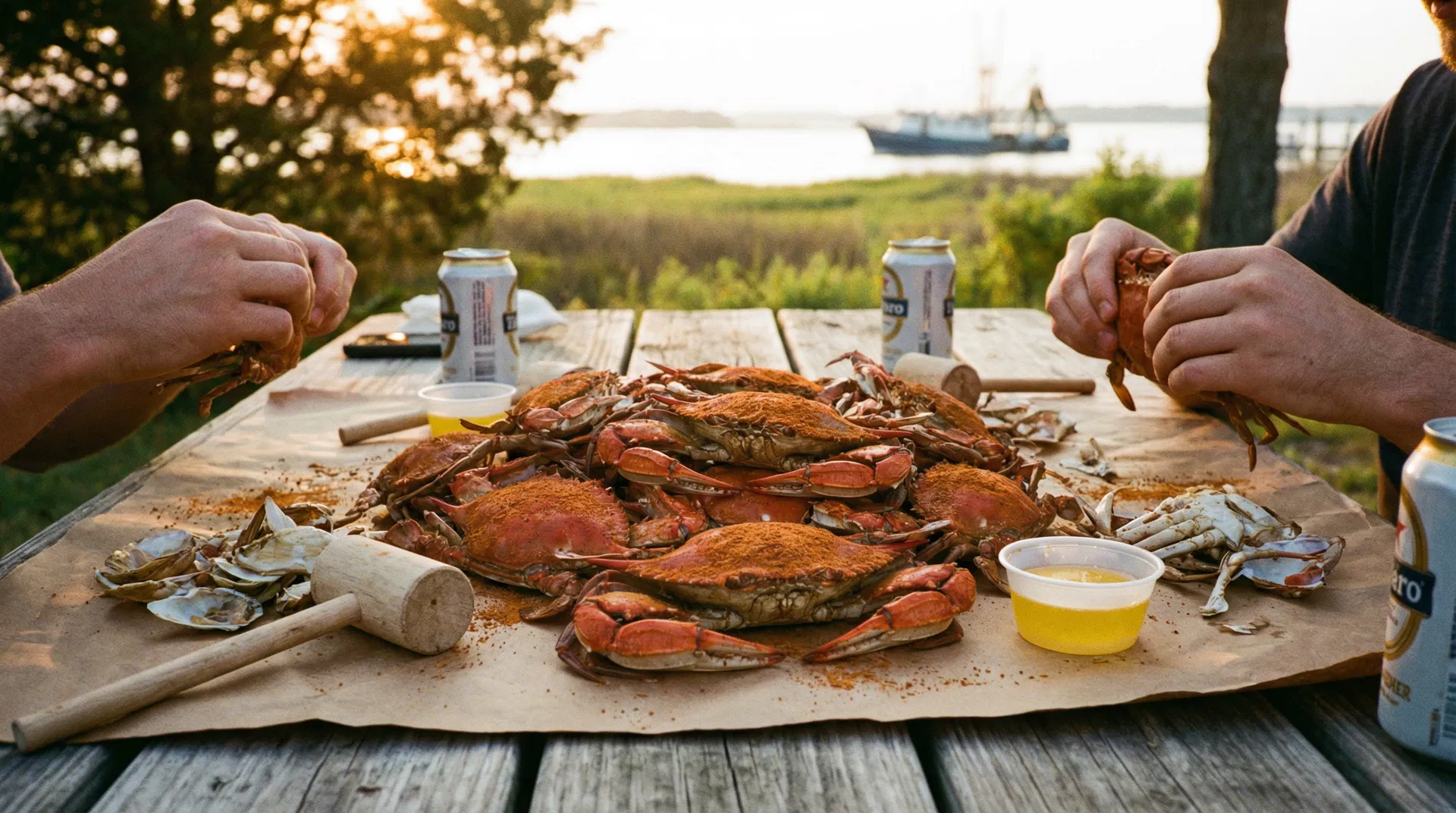
Ready to Find Crabs Near You?
Browse our full, updated directory of blue crab sellers across Southern Maryland — including crab houses, seafood markets, and waterfront spots in Calvert, St. Mary's, and Charles Counties.
Best Places to Buy Blue Crabs by County
Calvert County
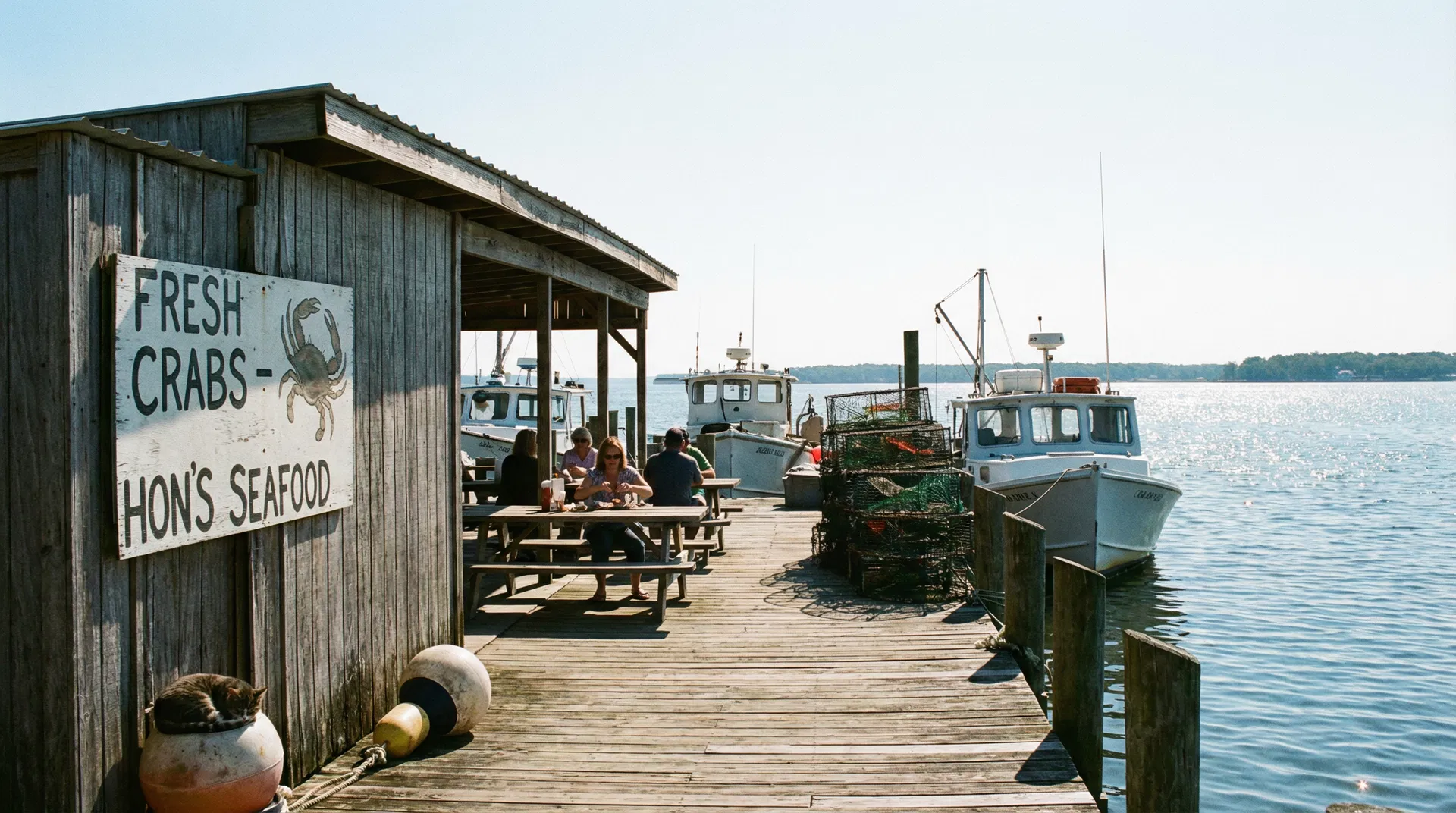
Calvert County is the heartland of Southern Maryland crab culture. Stretching along the western shore of the Chesapeake Bay, it's home to some of the region's most beloved crab houses and seafood markets. Towns like Solomons, Prince Frederick, Chesapeake Beach, and Lusby all have strong crab-selling traditions.
In Calvert County, you'll find a mix of waterfront restaurants, standalone seafood markets, and roadside stands run by local watermen. Many sellers here have been in business for decades, and the quality reflects that experience. Solomons Island, in particular, is a destination for crab lovers — the combination of waterfront dining, fresh markets, and scenic bay views makes it hard to beat.
Huntingtown and North Beach are also worth exploring — both have local sellers who offer fresh crabs at competitive prices, often with the option to buy live or steamed.
St. Mary's County
St. Mary's County sits at the southern tip of Maryland's western shore, where the Potomac River meets the Chesapeake Bay. This geography makes it one of the most productive crabbing areas in the state. Lexington Park is the county's largest town and a solid base for finding fresh crabs, with several seafood markets and restaurants serving locally harvested blue crabs.
Smaller communities like Ridge, Avenue, and Scotland are where you'll find the most authentic waterman-style crab sellers — often operating out of small shacks or home-based businesses where the crabs were caught that morning.
Leonardtown, the county seat, has a growing food scene with several options for fresh seafood. And Mechanicsville sits in the heart of the county with convenient access to multiple sellers.
Charles County
Charles County borders the Potomac River and offers a different crab-buying experience than its coastal neighbors. While it lacks the direct bay access of Calvert and St. Mary's, it has a strong network of seafood markets and restaurants that source fresh crabs from local watermen.
Indian Head and Newburg sit along the Potomac and have waterfront access to fresh crabs. Cobb Island, a small community at the confluence of the Wicomico and Potomac rivers, is a hidden gem for crab lovers — the waterfront restaurants here serve crabs caught practically in their backyard.
Charlotte Hall and White Plains are more inland but still have access to quality seafood markets that bring in fresh crabs regularly during peak season.
Pro tip: Our directory lists verified crab sellers across all three counties with contact information, hours, and product offerings. Browse the full directory here to find the best options near you.
Live vs. Steamed Crabs: Which Should You Buy?
This is one of the most common questions from first-time buyers, and the answer depends on what you're planning to do with them.
When to Buy Live Crabs
Live crabs are the choice when you want maximum freshness and control over the cooking process. If you're hosting a crab feast and want to steam them yourself with your own seasoning blend, live crabs are the way to go. They're also the better choice if you're picking the meat for crab cakes or other recipes, since you can control the seasoning level precisely.
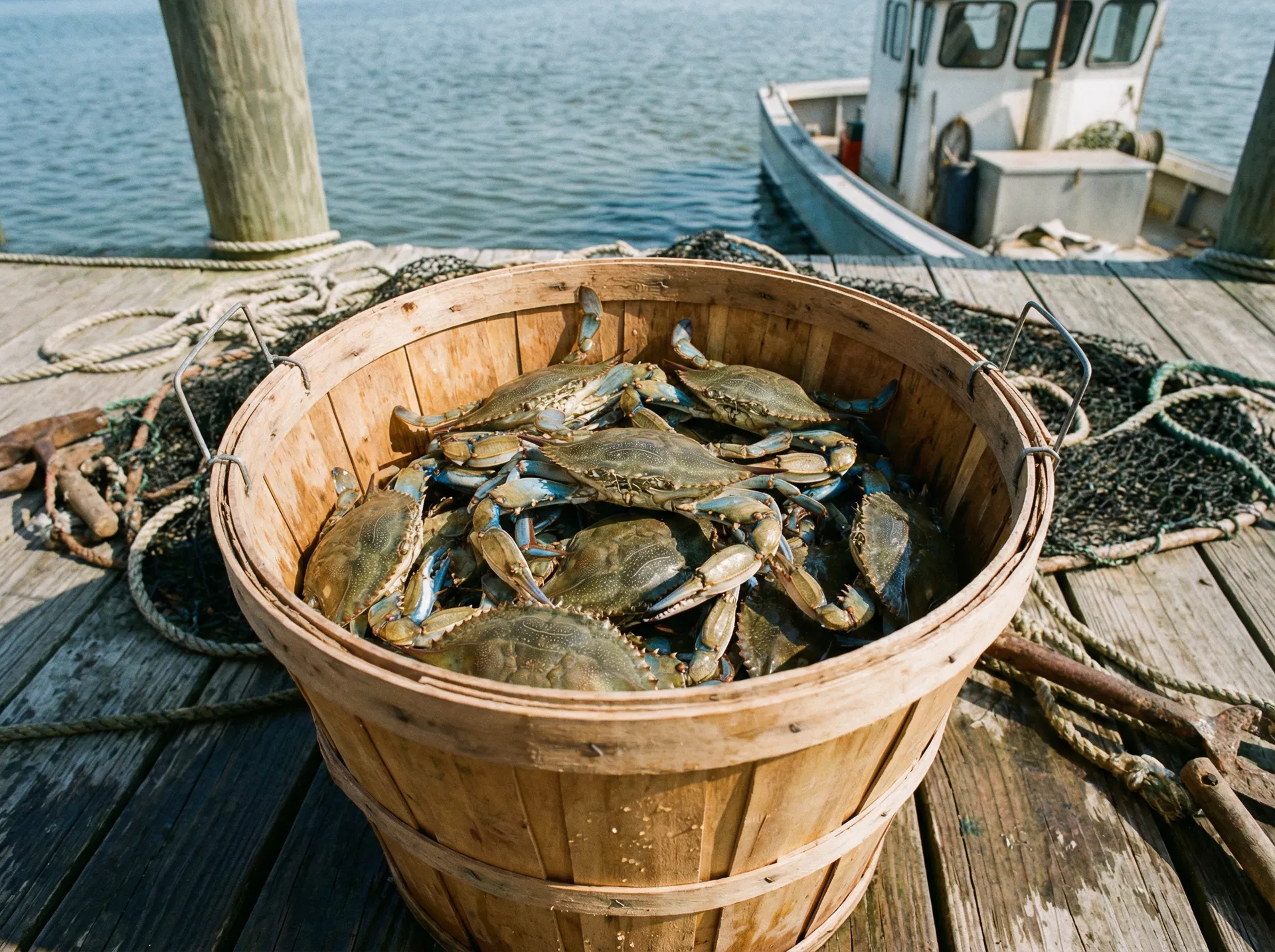
Live crabs are typically sold by the bushel (a large wooden basket holding roughly 6–8 dozen crabs, depending on size) or by the dozen. They need to be cooked within a few hours of purchase, so plan accordingly. Keep them cool and covered with a damp burlap sack until you're ready to steam.
When to Buy Steamed Crabs
Steamed crabs are the convenient choice. Most crab houses and seafood markets in Southern Maryland will steam crabs to order, seasoned with Old Bay and other spices. You pick them up hot and ready to eat — just spread them on brown paper and dig in.
Steamed crabs are ideal for impromptu feasts, smaller gatherings, or when you don't have the equipment or space to steam a full bushel yourself. The trade-off is that you're paying a premium for the convenience, and you're working with someone else's seasoning.
| Factor | Live Crabs | Steamed Crabs |
|---|---|---|
| Freshness | Maximum | Very fresh (same day) |
| Convenience | Requires steaming at home | Ready to eat |
| Price | Lower per crab | Higher (includes labor) |
| Seasoning control | Full control | Seller's recipe |
| Best for | Large feasts, crab cakes | Quick feasts, small groups |
Want to learn how to steam and eat crabs yourself? Check out our guide: How to Eat a Steamed Blue Crab.
How Much Do Blue Crabs Cost in Southern Maryland?
Crab prices in Southern Maryland fluctuate significantly based on season, size, and market conditions. Here's a general guide to what you can expect to pay in 2026:
| Size / Type | Per Dozen (Steamed) | Per Bushel (Live) |
|---|---|---|
| Small (under 5") | $25–$35 | $80–$120 |
| Medium (5"–5.5") | $35–$50 | $120–$160 |
| Large (5.5"–6") | $50–$70 | $160–$220 |
| Jumbo (6"+) | $70–$100+ | $220–$300+ |
Prices are highest in early season (April–May) when supply is limited, and again in late season (October–November). Peak season (July–August) typically offers the best combination of price and availability. Prices also spike after storms or during periods of low harvest.
Tip: Buying a full bushel of live crabs and steaming them yourself is almost always more economical than buying pre-steamed crabs by the dozen, especially for larger groups.
What to Look for When Buying Blue Crabs
Signs of Freshness
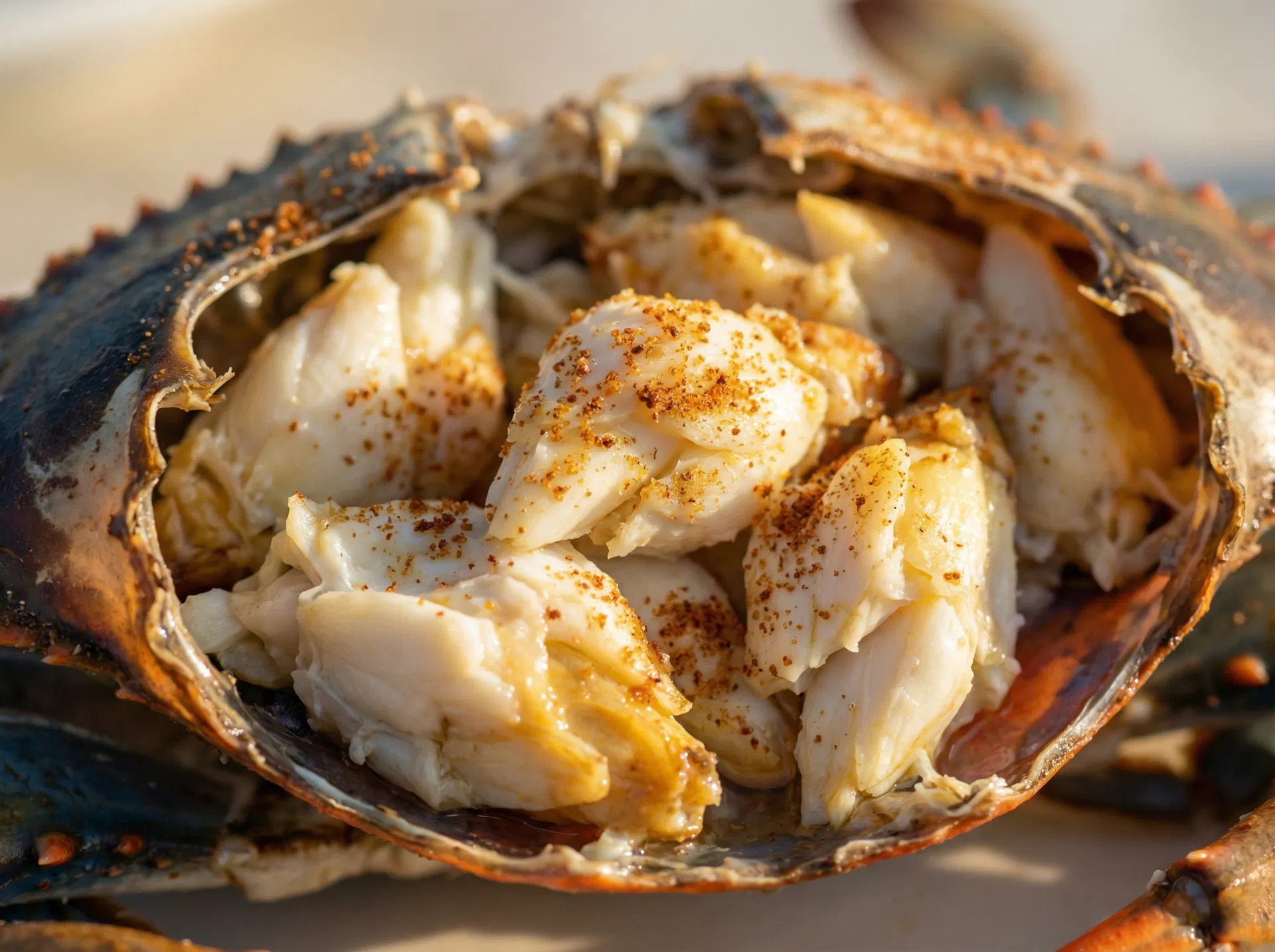
Fresh live crabs should be active and feisty. If they're sluggish or not moving, they may have been sitting too long. For steamed crabs, look for bright red shells, firm meat, and a clean, briny smell. Any sour or ammonia-like odor is a red flag.
Size Categories
Blue crabs are sold by size, measured point-to-point across the shell. The categories are: Small (under 5 inches), Medium (5–5.5 inches), Large (5.5–6 inches), and Jumbo (6 inches and above). Larger crabs have more meat but cost significantly more. For a crab feast, medium and large crabs offer the best value.
Hard Shell vs. Soft Shell
Hard shell crabs are the standard for steaming and feasting. Soft shell crabs are blue crabs that have recently molted — their new shell hasn't hardened yet, making the entire crab edible. Soft shells are a delicacy, typically sautéed or fried, and are available for a limited window in late spring and early summer.
Male vs. Female Crabs
Male crabs (called "jimmies") are generally preferred for feasting because they tend to be larger and have more meat. Female crabs ("sooks") are often prized for their roe (eggs), which adds a rich, creamy flavor. In Maryland, regulations restrict the harvest of egg-bearing females, so availability varies.
Must-Have Supplies for a Southern Maryland Crab Feast
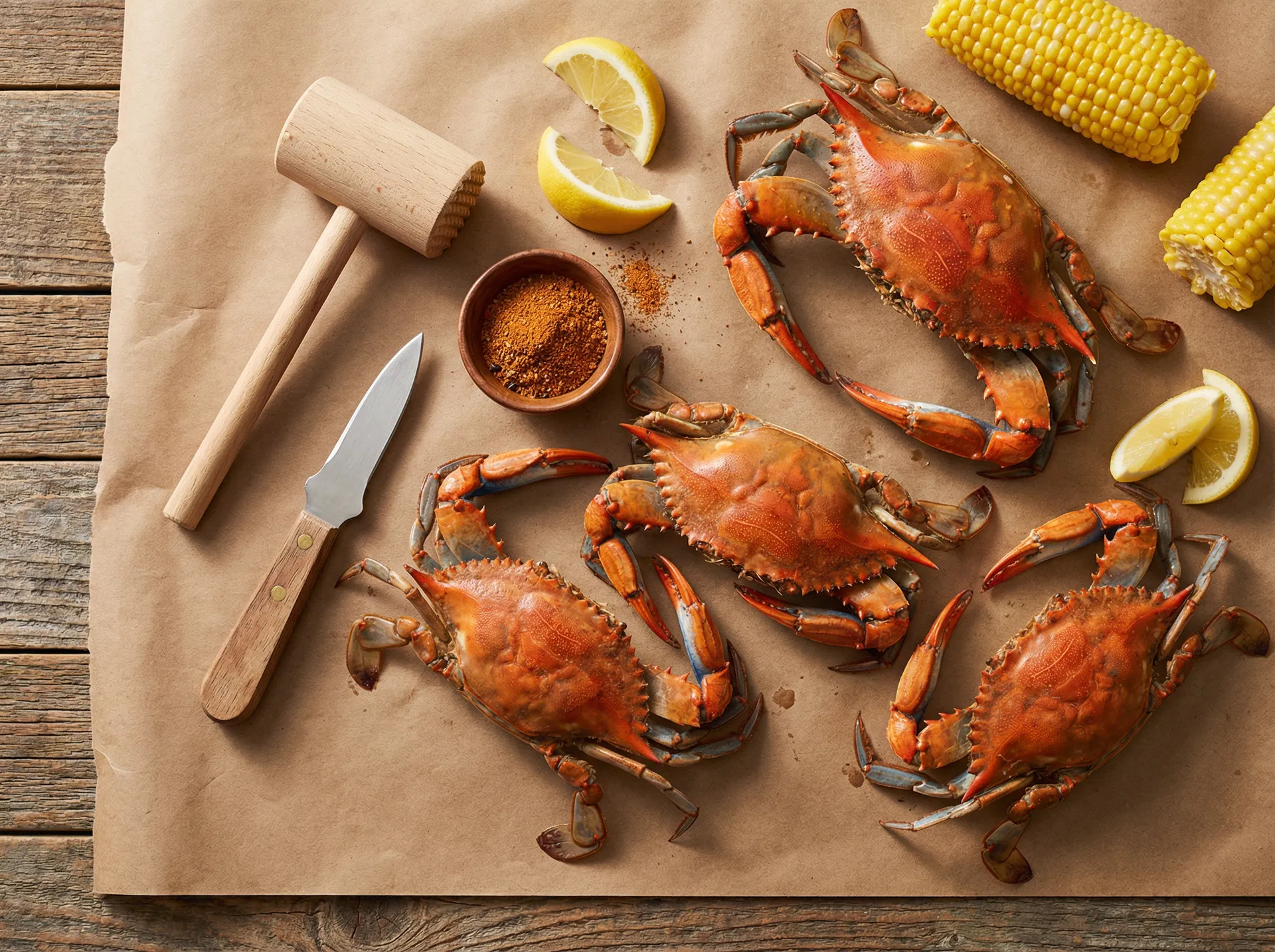
Once you've found your crabs, you'll need the right supplies to make the feast a success. Here's what every crab feast needs — and where to find it. For a deeper dive, check out our full guide: Crab Eating Supplies: The Complete Guide to Tools & Essentials.
Wooden Crab Mallet
The most important tool at any crab feast. A good wooden mallet lets you crack shells cleanly without shattering them into your meat. Wooden is better than metal — gentler, quieter, and more control.
Check price on Amazon →Crab Knife
A short, sharp crab knife is essential for separating meat from shell and accessing the body chambers. Look for a 2–3 inch blade with a comfortable handle.
Check price on Amazon →Old Bay Seasoning (Bulk)
You can never have too much Old Bay. If you're steaming your own crabs, you'll need a lot — and having extra on the table for seasoning is always a good idea.
Check price on Amazon →Large Steam Pot
For steaming crabs at home, you need a large pot — at least 20 quarts for a half-bushel. A two-tier steamer basket makes it easier to cook in batches.
Check price on Amazon →Kraft Paper (Table Covering)
Cover your table with brown kraft paper before dumping the crabs. It catches shells and seasoning, and cleanup is as simple as rolling it up and tossing it.
Check price on Amazon →Explore More Southern Maryland Crab Resources
Frequently Asked Questions
When is crab season in Maryland?
Maryland's blue crab season typically runs from April 1 through November 30, with the Maryland Department of Natural Resources regulating harvest to protect the population. Peak season is July through September, when crabs are most abundant, largest, and most affordable. Early season (April–May) crabs are available but can be smaller and pricier.
How many crabs should I buy per person?
Plan for 6–12 crabs per person, depending on size and appetite. A dozen medium crabs per person is a solid baseline for a feast. For a group of 4, one bushel (roughly 6–8 dozen crabs) is usually plenty. If you're serving other food alongside the crabs, you can scale back slightly.
Are male or female crabs better?
Male crabs (jimmies) are generally larger and have more body meat, making them the preferred choice for feasting. Female crabs (sooks) are smaller but prized for their roe, which has a rich, buttery flavor. Maryland regulations protect egg-bearing females, so availability varies. For a standard crab feast, jimmies are the go-to choice.
Can you reheat steamed crabs?
Yes, but it requires care. The best method is to steam them briefly (5–7 minutes) rather than microwaving, which can dry out the meat. Alternatively, wrap them in damp paper towels and microwave in short bursts (30 seconds at a time) until warm. Reheated crabs are never quite as good as fresh, so try to buy only what you'll eat in one sitting.
What's the difference between Chesapeake Bay crabs and other blue crabs?
Chesapeake Bay blue crabs (Callinectes sapidus) are the same species as blue crabs found throughout the Atlantic coast, but the specific conditions of the Bay — water salinity, temperature, and food sources — produce crabs with a distinct flavor profile. Many crab connoisseurs consider Chesapeake Bay crabs to be the finest available, with a sweeter, more complex flavor than crabs from other regions.
Do I need to call ahead before buying crabs?
Yes, especially during peak season. Many local sellers sell out quickly, particularly on weekends. Calling ahead lets you reserve your crabs and confirm availability, size, and pricing. Our directory includes phone numbers for all listed businesses — use them before making the drive.
Find the Best Crabs Near You
Southern Maryland is one of the best places in the world to buy fresh blue crabs. The combination of Chesapeake Bay heritage, local watermen, and a strong crab-selling culture means you're never far from a quality source — if you know where to look.
Our directory is the most comprehensive, up-to-date resource for finding blue crab sellers across Calvert, St. Mary's, and Charles Counties. Whether you're looking for a waterfront crab house in Solomons, a seafood market in Lexington Park, or a local waterman selling out of a roadside stand in Ridge, we've got you covered.